Rough Edges, Premium Price Tags: The Strategic Case for Engineered Imperfection

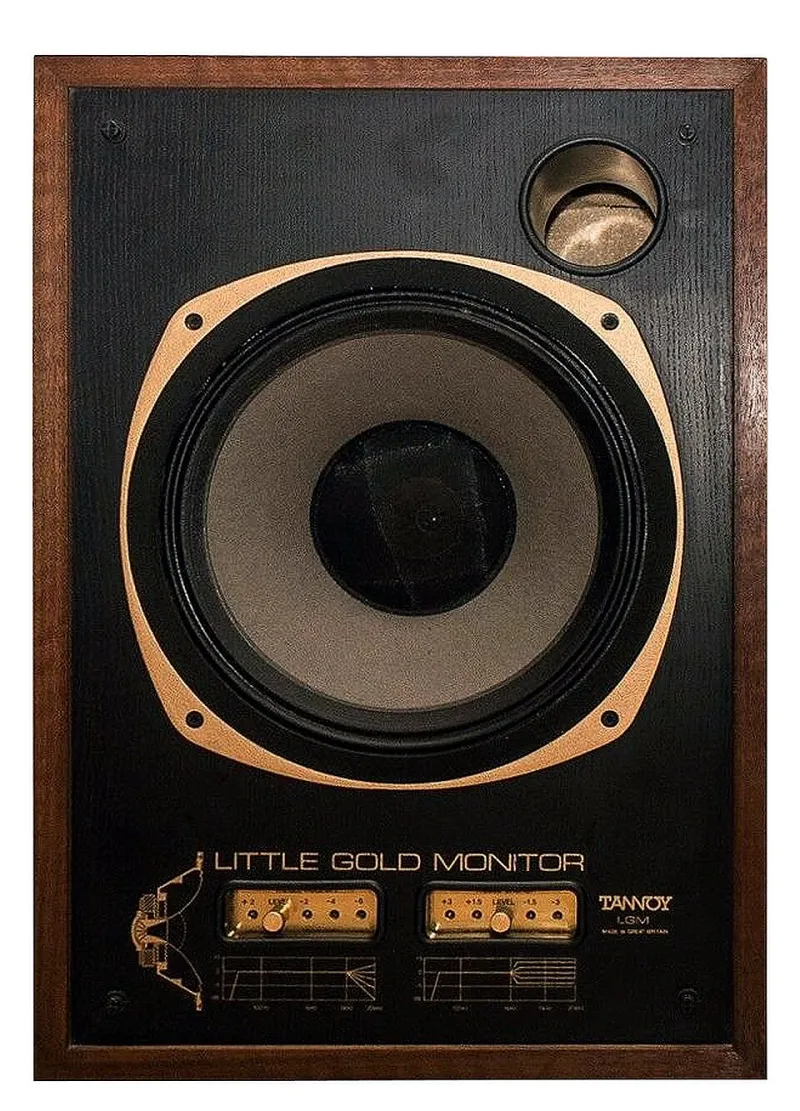
Photo: Benjamin Balazs, CC0, via Wikimedia Commons
The Paradox Hiding in Plain Sight
For most of the past two decades, the prevailing logic in commercial visual production was elegantly simple: higher budgets produced higher polish, and higher polish commanded higher rates. Clean lines, flawless retouching, and technically immaculate photography were the visible proof of a studio's competence. Clients paid for perfection, and studios delivered it.
That logic has not disappeared. But it has acquired a formidable rival.
Across sectors ranging from consumer packaged goods to luxury hospitality to direct-to-consumer apparel, a growing cohort of high-budget clients is actively requesting work that carries the visible marks of human hands—grain, uneven lighting, tactile texture, and what the industry has taken to calling "productive imperfection." More significantly, they are paying rates that exceed what comparable technically polished work would command. The rough edge, it turns out, has become a premium finish.
Why Audiences Trust the Unpolished Frame
The psychological underpinning of this trend is not difficult to locate. Decades of exposure to algorithmically optimized, heavily retouched commercial imagery have trained audiences to unconsciously associate visual perfection with artifice. When everything is flawless, nothing feels true. The brain, operating on pattern recognition honed by social context, has learned to read high-gloss production as a signal of persuasion rather than sincerity.
Conversely, visual imperfection reads as evidence. A slightly blown highlight, a visible film grain, a hand-lettered element with inconsistent stroke weight—these qualities communicate that a human being was present, that a moment was captured rather than constructed. In an attention economy saturated with CGI-assisted perfection, the handmade mark functions as a form of proof.
Research in consumer psychology consistently supports this intuition. Studies examining brand trust have found that audiences rate brands as more credible when their communications carry visible signs of production process. The imperfection signals effort without calculation, which is precisely the quality that calculation itself cannot replicate convincingly.
Engineering Authenticity Without Undermining It
Here is where the strategic complexity emerges, and where studios capable of navigating that complexity are separating themselves from the competition. Authentic imperfection and engineered imperfection are not the same thing—and audiences, even when they cannot articulate the distinction, frequently sense it.
The studios executing this approach most successfully are not simply adding film grain filters or introducing artificial vignetting in post-production. They are making upstream production decisions that generate genuine textural qualities: shooting on medium-format film, using available or mixed-source lighting, printing and re-photographing digital assets to introduce analog artifacts, commissioning hand-drawn illustration at specific stages of otherwise digital workflows. The imperfection, in other words, is designed rather than simulated—a distinction that preserves the perceptual authenticity that makes the approach effective.
This requires a calibration that is genuinely difficult. Too little imperfection reads as standard polished production. Too much reads as affected or, worse, as evidence of technical limitation rather than intentional craft. The studio's role is to locate the precise register at which the work feels discovered rather than manufactured—and to do so consistently across a project's full visual system.
Positioning the Pitch: Imperfection as Luxury
For studios looking to enter this market or expand within it, the central challenge is not technical. It is rhetorical. Clients have spent years being conditioned to equate production value with quality, and repositioning imperfection as a premium offering requires a reframing that is both confident and substantive.
The most effective approach treats the lo-fi aesthetic not as a stylistic choice but as a strategic one. The conversation shifts from "how it looks" to "what it communicates" and, critically, "what it costs your brand to be perceived as inauthentic." When a studio can demonstrate—through case studies, audience response data, or competitive landscape analysis—that deliberately imperfect work generates stronger engagement, higher recall, and deeper brand trust than its technically pristine counterparts, the premium rate becomes defensible on business grounds rather than aesthetic ones.
Portfolio construction matters enormously here. Studios should be deliberate about how they sequence and contextualize work that embraces this aesthetic. Presenting it alongside the client's business objectives, the strategic rationale behind specific production decisions, and measurable outcomes transforms what might otherwise appear to be a stylistic preference into a documented methodology with demonstrated results.
The Studio's Internal Discipline
There is a further dimension to this conversation that rarely surfaces in client-facing materials but is equally important to a studio's long-term viability in this space: the internal discipline required to execute intentional imperfection at a consistently high level.
This is not easier work than technically precise production. In many respects, it is harder. The parameters are less clearly defined, the quality benchmarks require more nuanced judgment, and the risk of the work tipping from intentional to accidental is ever-present. Studios that succeed here tend to have invested significantly in developing a shared visual language around what constitutes productive imperfection for a given client context—and in building the institutional knowledge to apply that language reliably.
At IPS Studio, this kind of calibration is embedded in the early stages of every engagement. Understanding what a client's audience has been trained to trust, and what visual register will feel both authentic and aligned with the brand's existing equity, is foundational work that precedes any production decision. The imperfect frame is never an accident. It is, in every case, the result of deliberate craft.
A New Definition of Production Value
The broader implication of this trend is a quietly significant redefinition of what production value actually means. For much of the commercial visual industry's history, production value was synonymous with technical achievement—the number of lights on set, the resolution of the sensor, the precision of the retouch. It was, in essence, a measure of what was added.
The studios commanding premium rates for imperfect work are operating on a different understanding: that production value is ultimately a measure of audience response. If a piece of work generates trust, attention, and emotional resonance, it has achieved what production is for—regardless of whether it was shot on a vintage 35mm camera or a controlled studio stage. The rough edge, when it is the right rough edge, is not a reduction in value. It is the value.
Clients willing to pay for that understanding are not paying for imperfection. They are paying for the judgment to know when imperfection is precisely the right answer.